Spoleto,
three thousand years of history

Spoleto is a historic town in Umbria, in central Italy, with a rich and varied history that stretches from ancient times to the present day.
Originally an Umbrian settlement, Spoleto became a Roman colony in 241 BC. It resisted Hannibal's attack during the Second Punic War and prospered under the Roman Empire. Roman remains can still be seen around town: the theatre, the Arch of Drusus and the Ponte Sanguinario.
In the 6th century AD Spoleto became the capital of an independent Lombard duchy, extending its territory and influence across central Italy. The duchy lasted until the late 8th century, when it was annexed by Charlemagne.
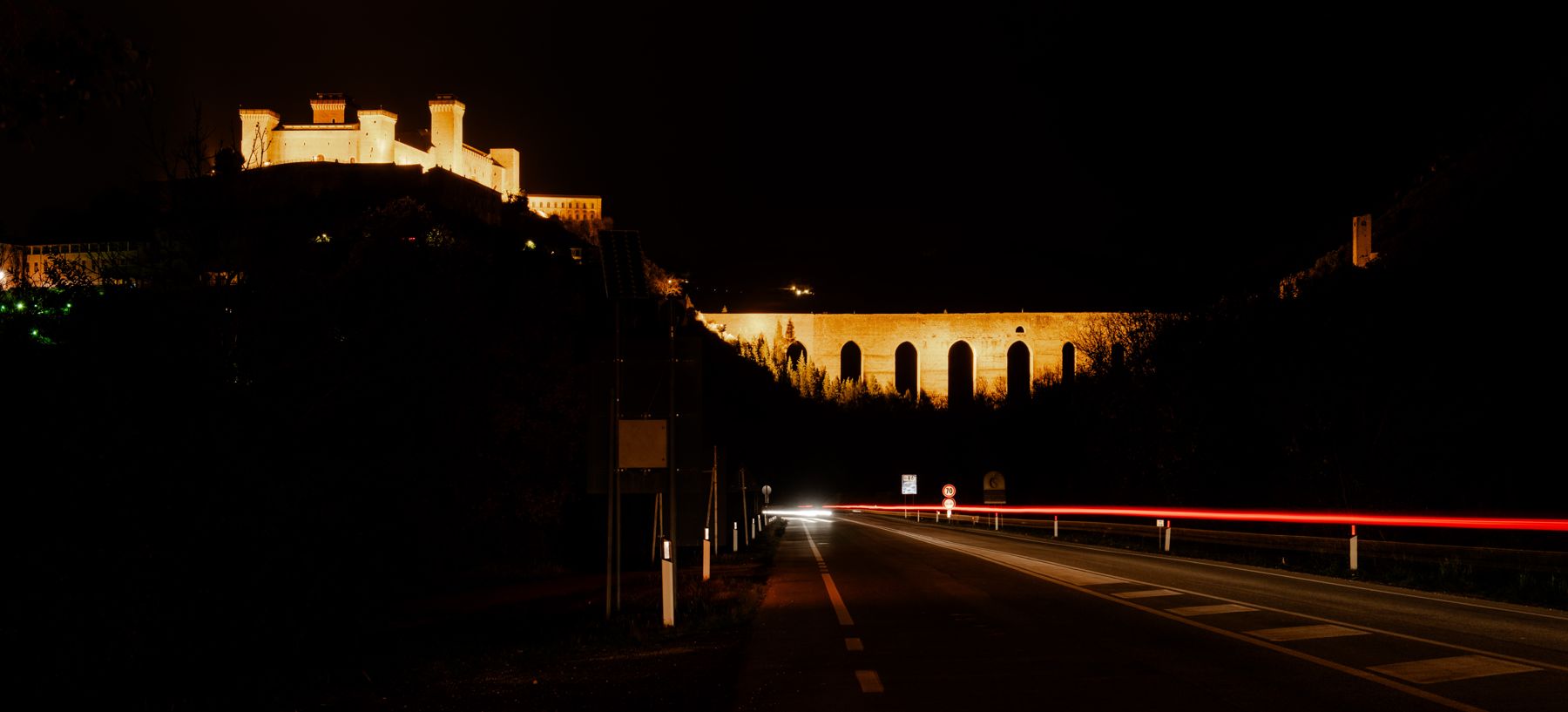
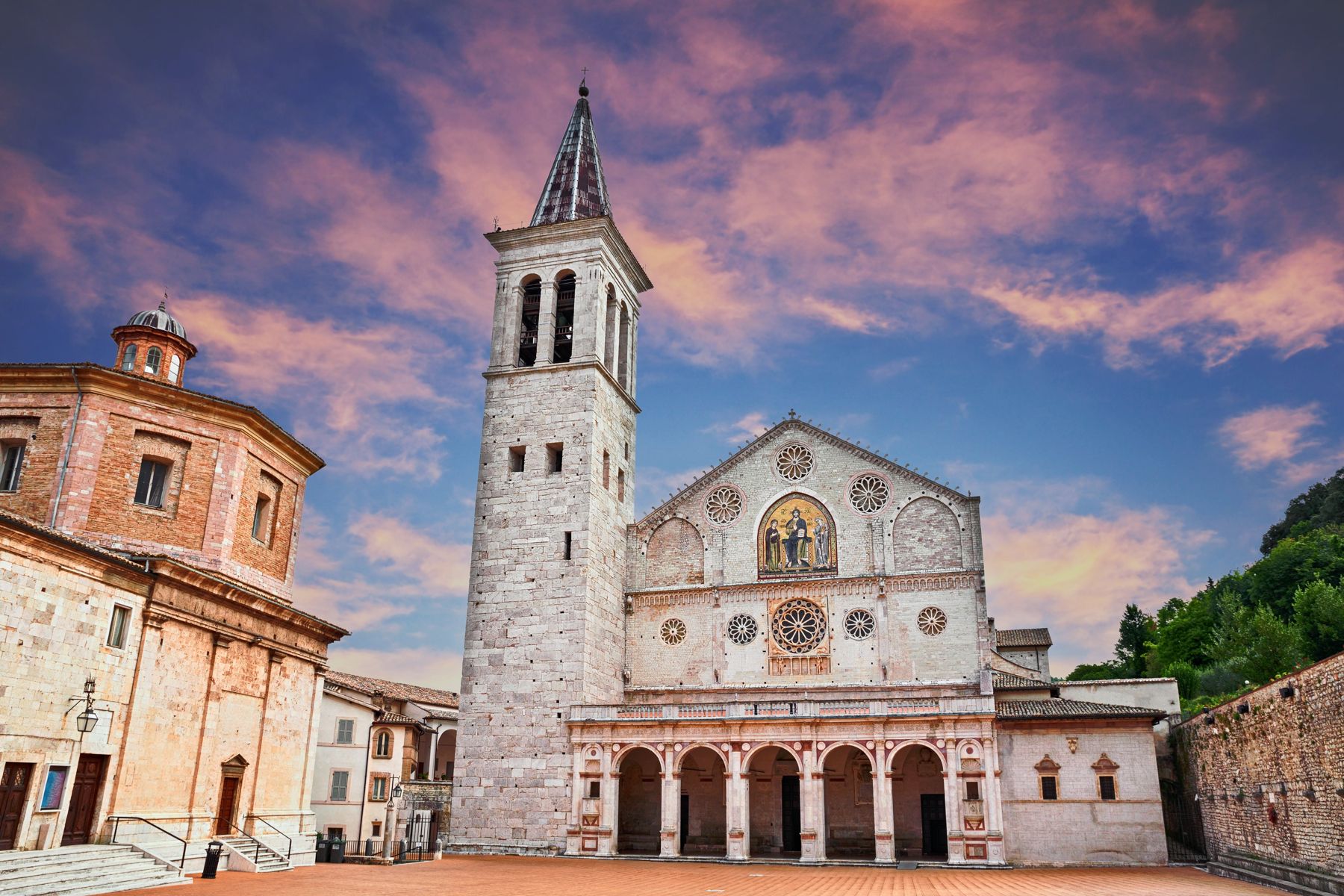
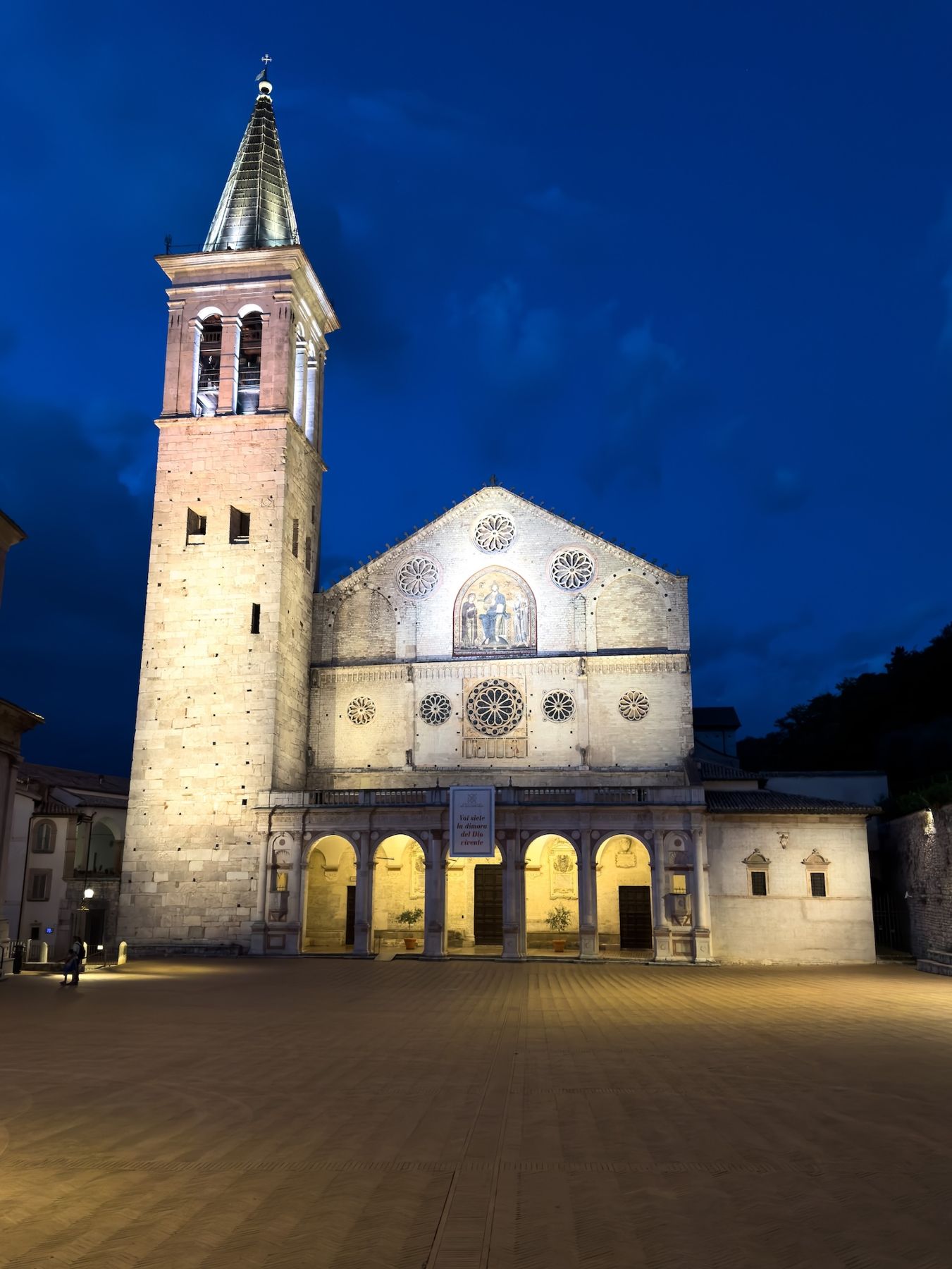
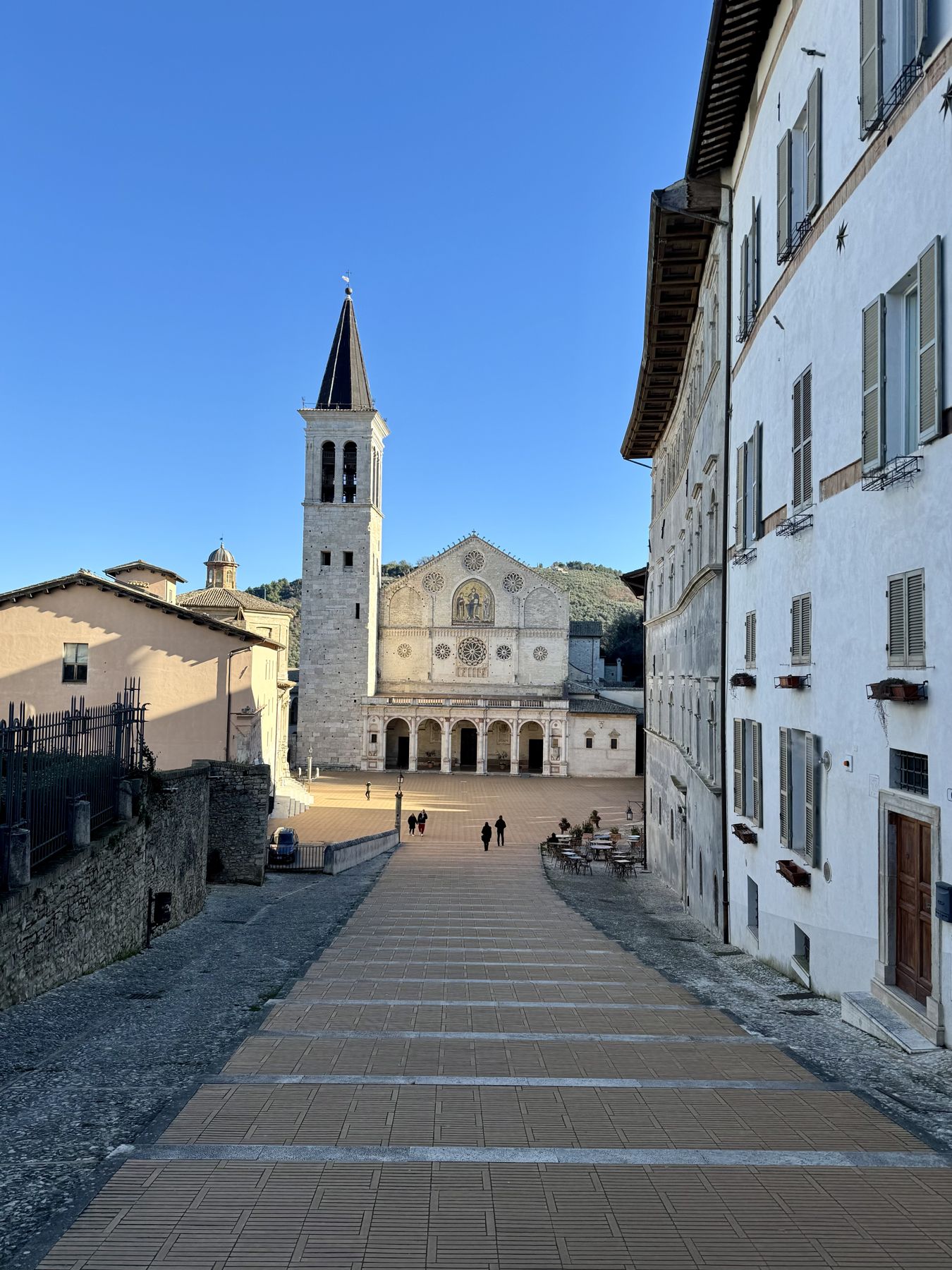
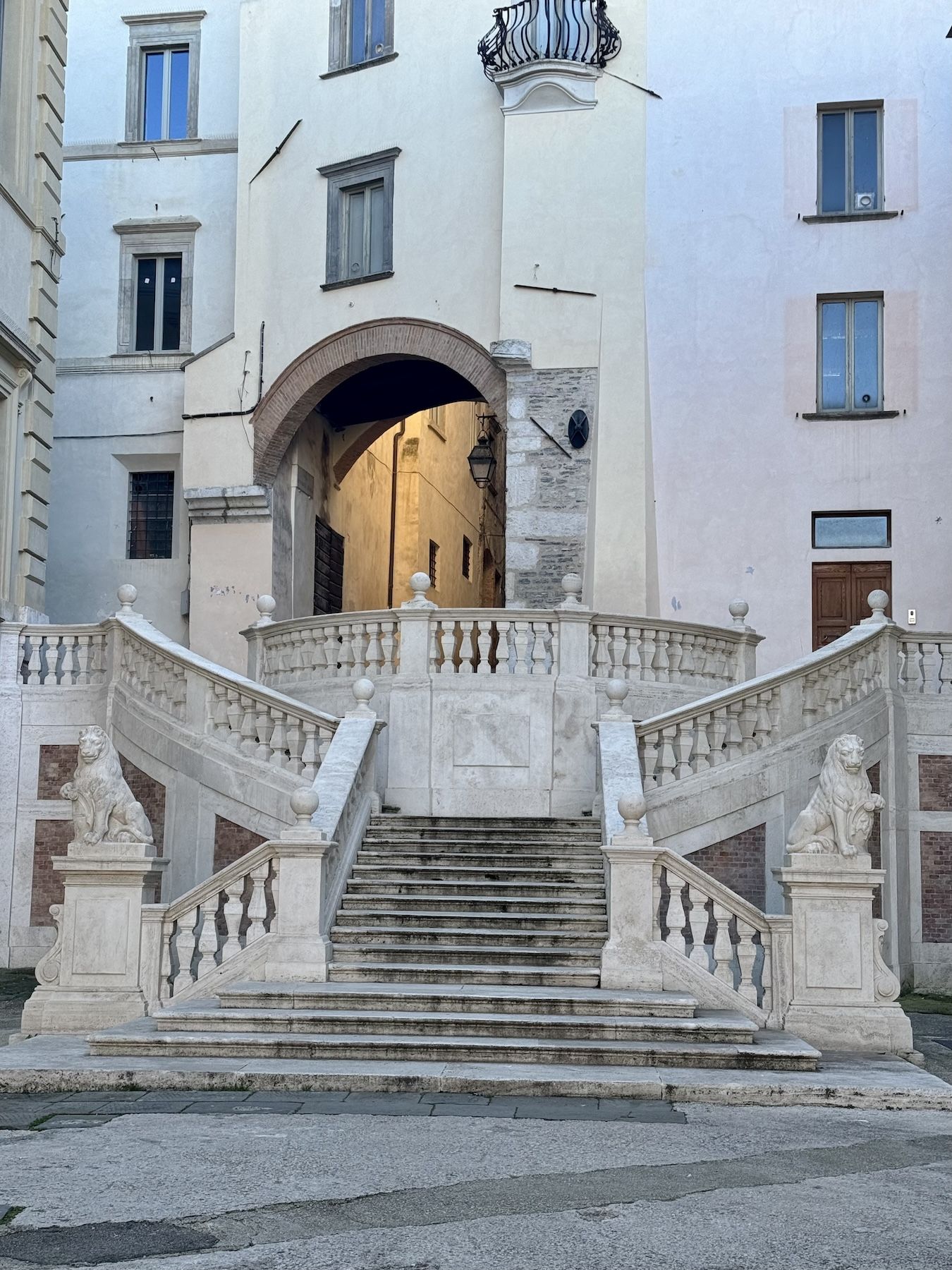
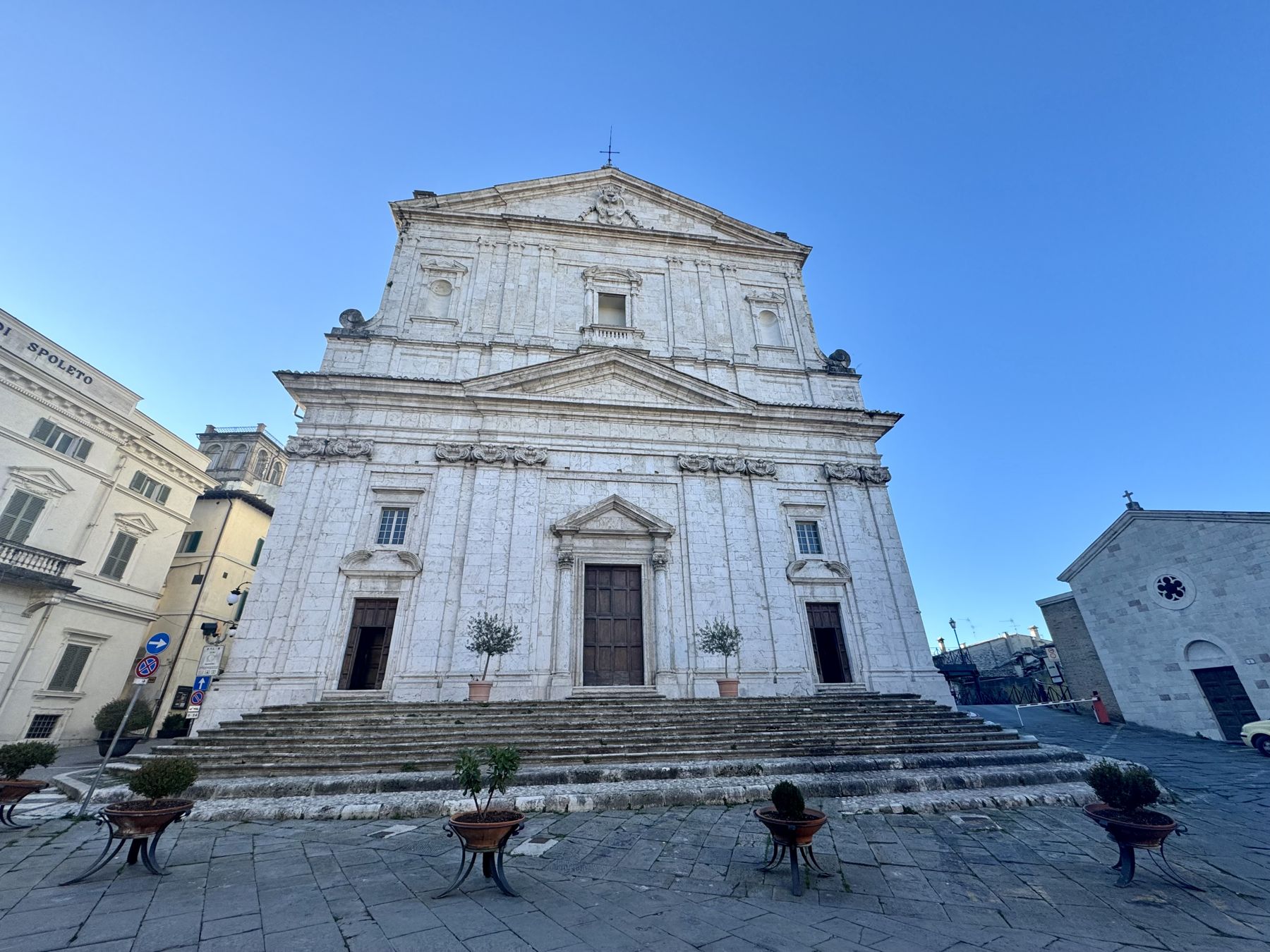
From the 13th to the 19th century Spoleto was part of the Papal States, with periods of autonomy and conflict. It flourished as a cultural and artistic centre, with many churches, palaces and monuments built in the Middle Ages and the Renaissance — the cathedral, the fortress and the aqueduct are among the most impressive.
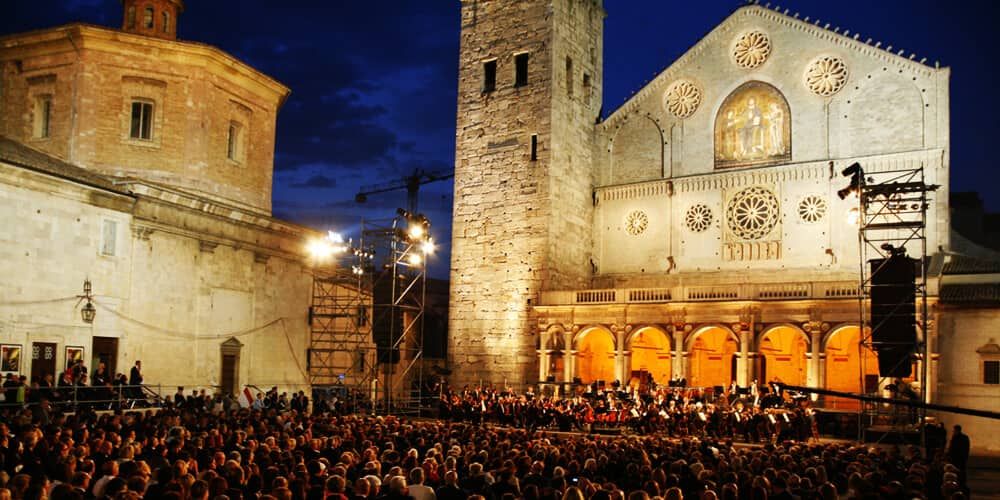
Spoleto joined the Kingdom of Italy in 1860. Damaged during the Second World War, it was restored and preserved, and since 1958 it has hosted the Festival of the Two Worlds every year, bringing music, theatre and art from different cultures to its streets.

Capital of the
Duchy of Spoleto
Under the Lombards, Spoleto rose to prominence in 570 AD as the capital of the independent Duchy of Spoleto. Its dukes held considerable influence over central Italy, controlling a vast territory.
In 801 a powerful earthquake caused widespread damage, yet Spoleto kept its importance; in the late 9th century some of its dukes even became Holy Roman Emperors. In the 12th century the city was destroyed by Frederick Barbarossa.
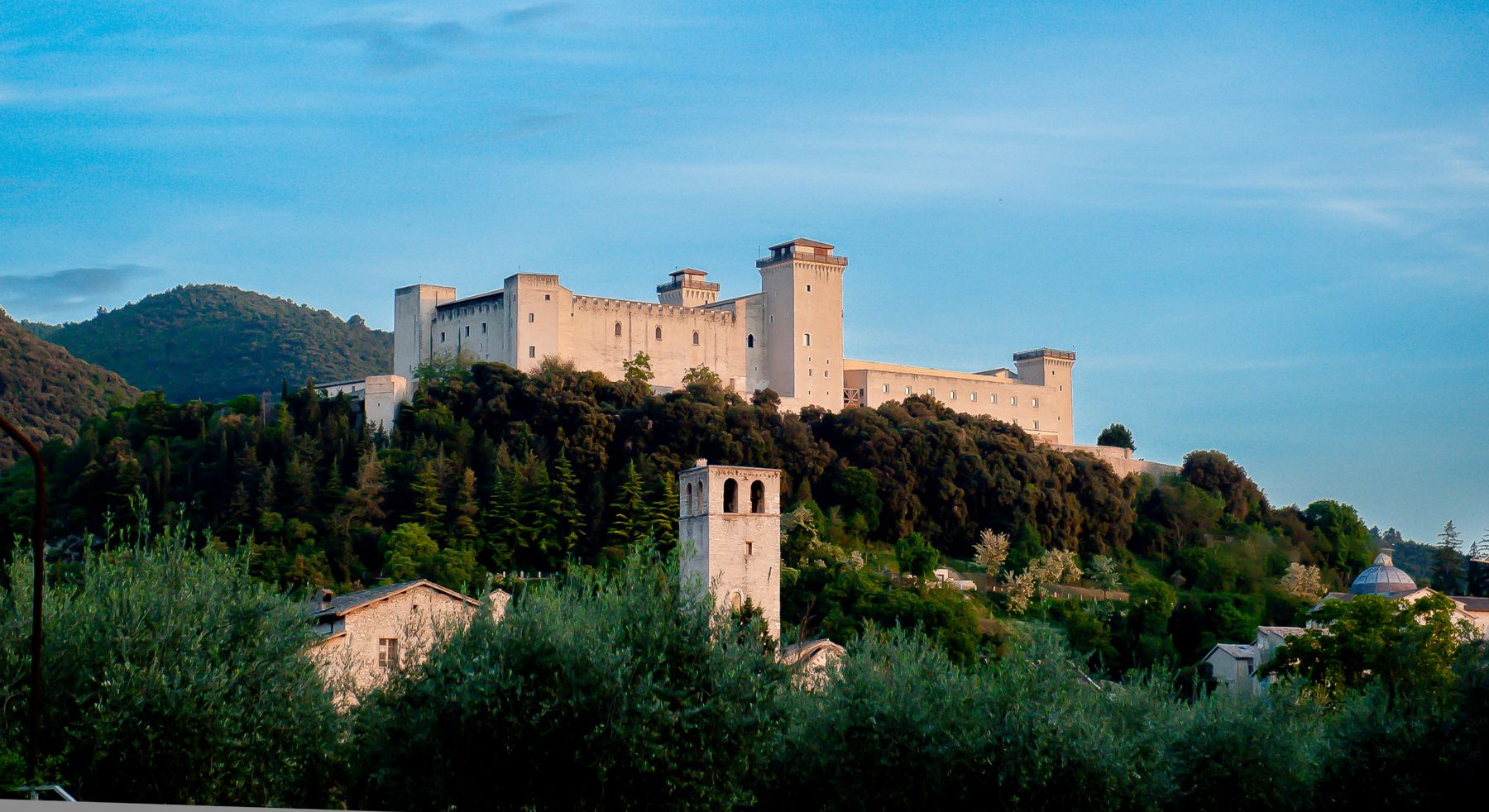
Later brought under papal control, Spoleto long remained contested between Guelphs and Ghibellines, until in 1354 Cardinal Albornoz restored it firmly to the Papal States and built the Rocca that still crowns the town.
Today Spoleto's monuments and cultural heritage bear witness to this long and eventful past, attracting visitors from all over the world.

Corso
Giuseppe Mazzini
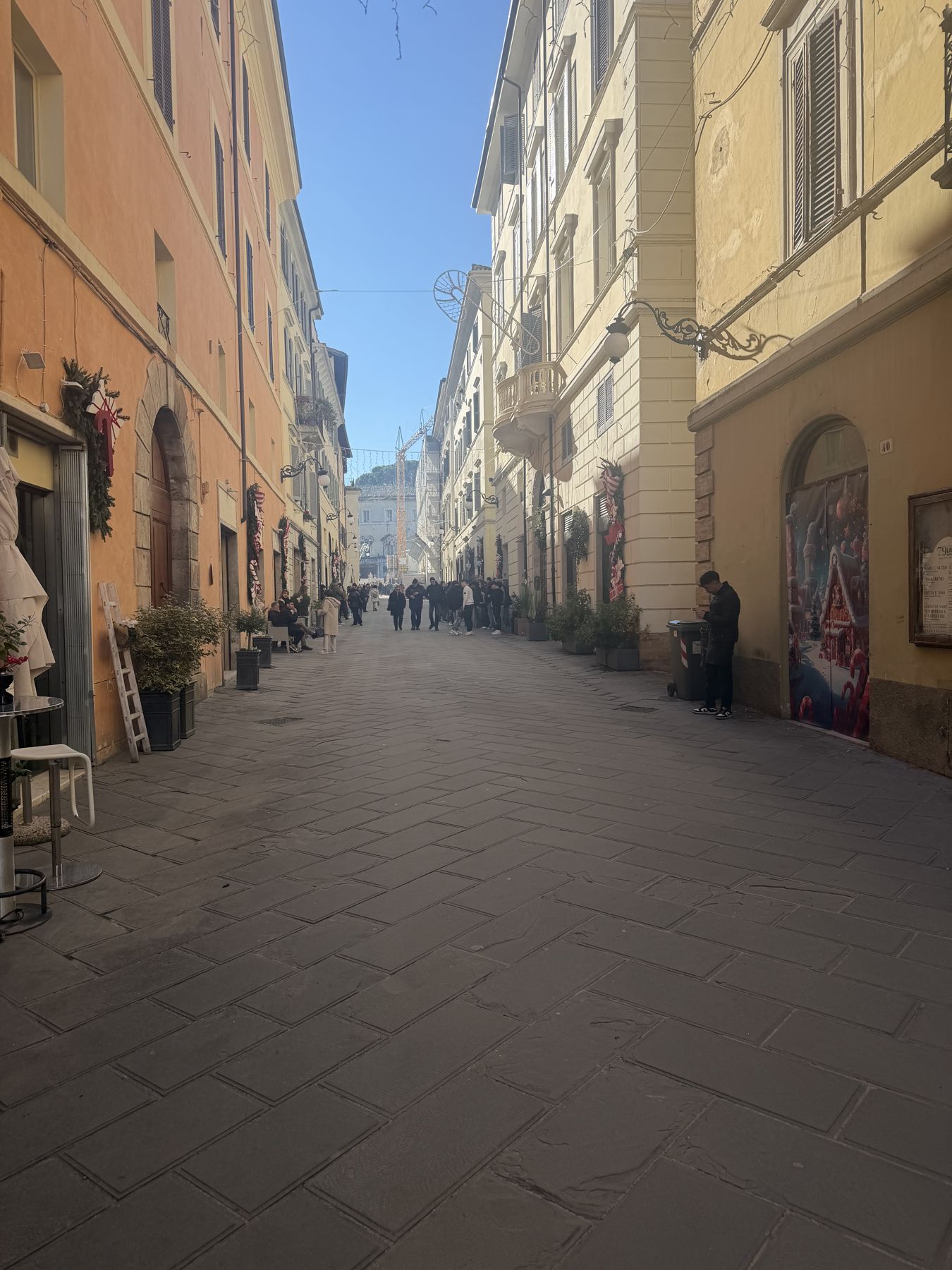
Our apartment is on Corso Giuseppe Mazzini, the perfect starting point for exploring Spoleto. This broad pedestrian street, lined with shops, hotels and restaurants, combines centuries of history with the everyday life of the town.
Named after Giuseppe Mazzini, one of the fathers of Italian unification, the Corso was laid out in the 19th century to make the old town easier to cross. Unlike the narrow, winding lanes around it, it runs broad and straight — a rare piece of 19th-century urban planning inside a medieval town.
In the evening it comes alive with the passeggiata, when locals stroll, chat and shop. And it leads straight to the town's treasures, from the National Archaeological Museum to the Roman theatre of the 1st century BC.
Spoleto